Why parts move after machining
Separate stress redistribution, clamp springback, cutting deflection and thermal effects before choosing a remedy.
01 / Clamped condition
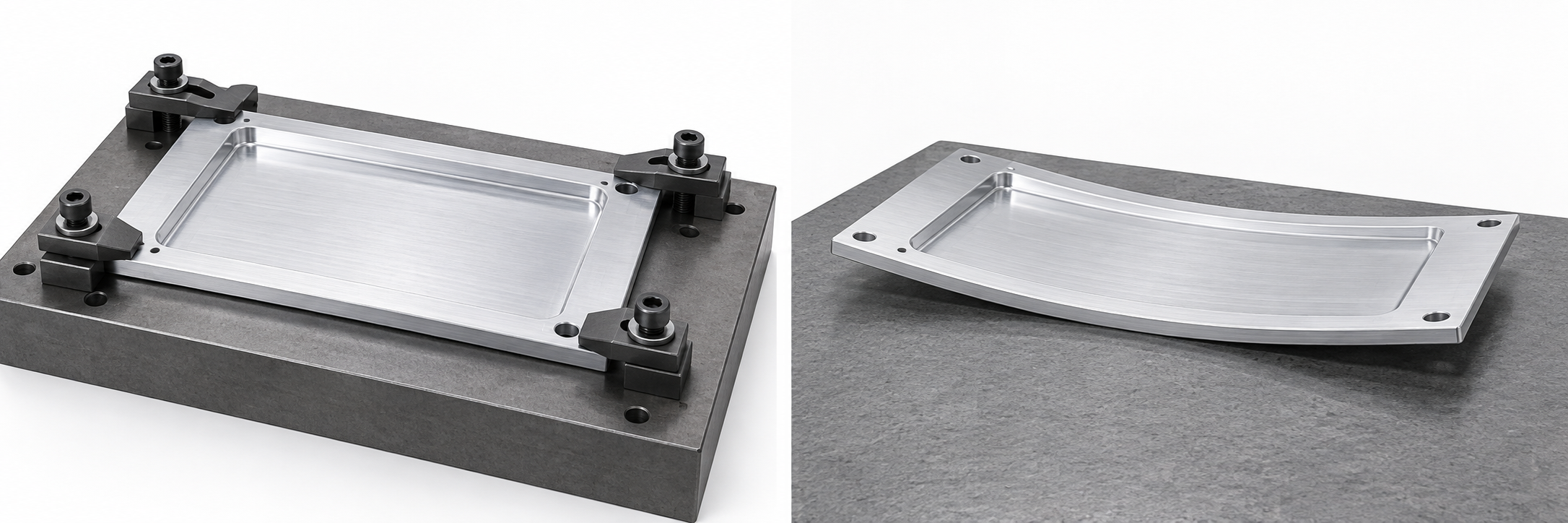
02 / Released condition
Four mechanisms to separate
01Residual-stress redistribution
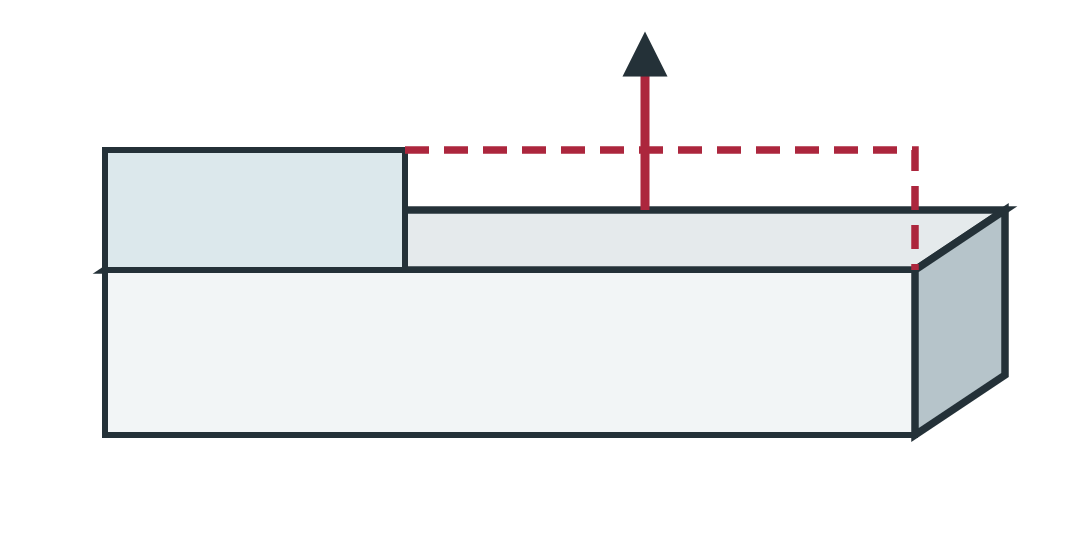
Removing material changes the balance of stresses already in the stock. Machining can also introduce near-surface stress.
Review stock condition and removal sequence; leave planned finishing allowance.
02Clamp springback
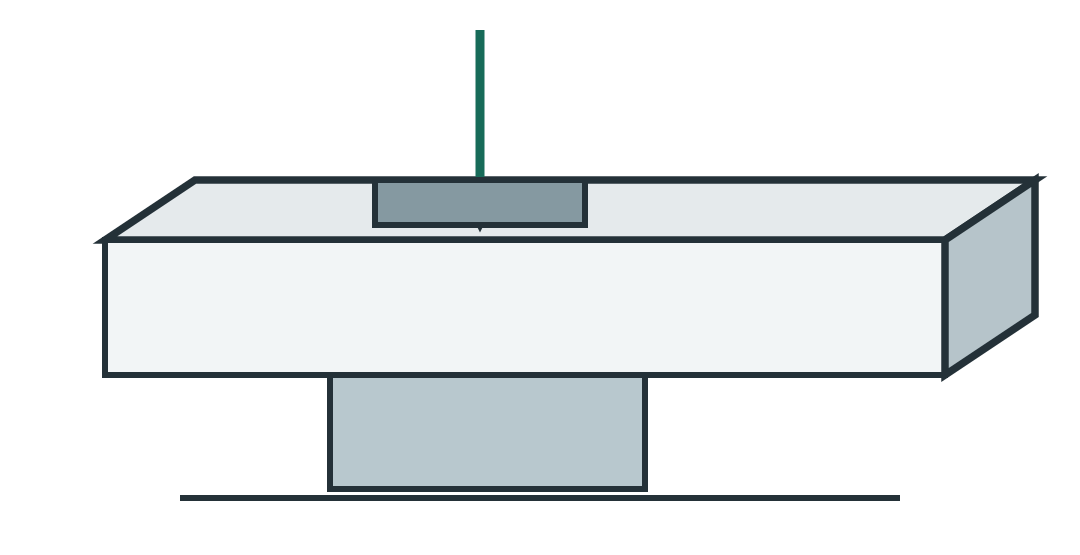
A fixture can elastically bend a part. Cutting it in that shape can leave a different geometry after the load is removed.
Support near the clamp and cutting loads; use enough force to hold safely without needless distortion.
03Cutting-force deflection
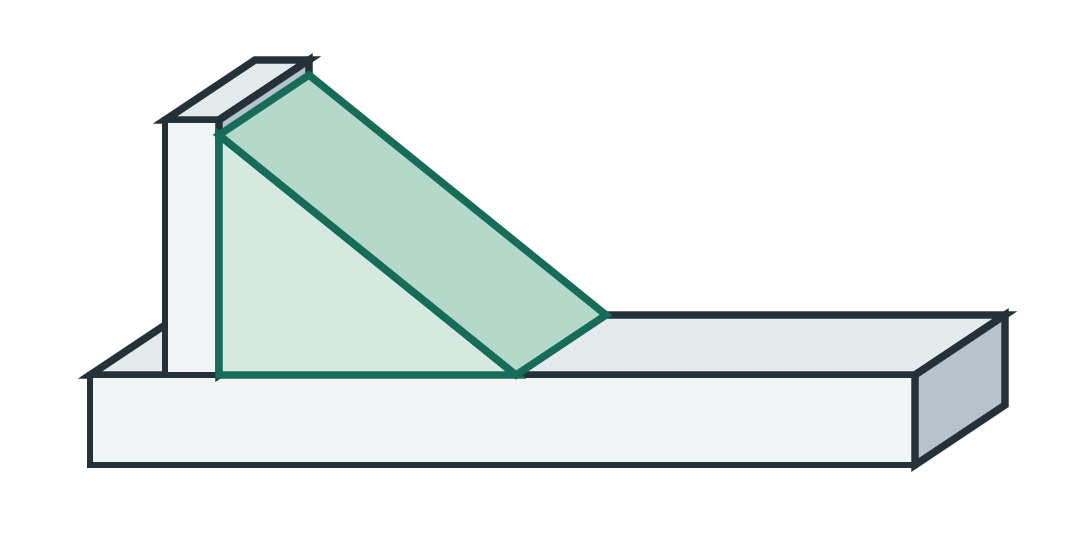
A flexible wall or tool can move during a pass and recover afterward, leaving a dimensional or form error.
Shorten unsupported spans where permitted and review tool reach, engagement and support.
04Temperature & material response
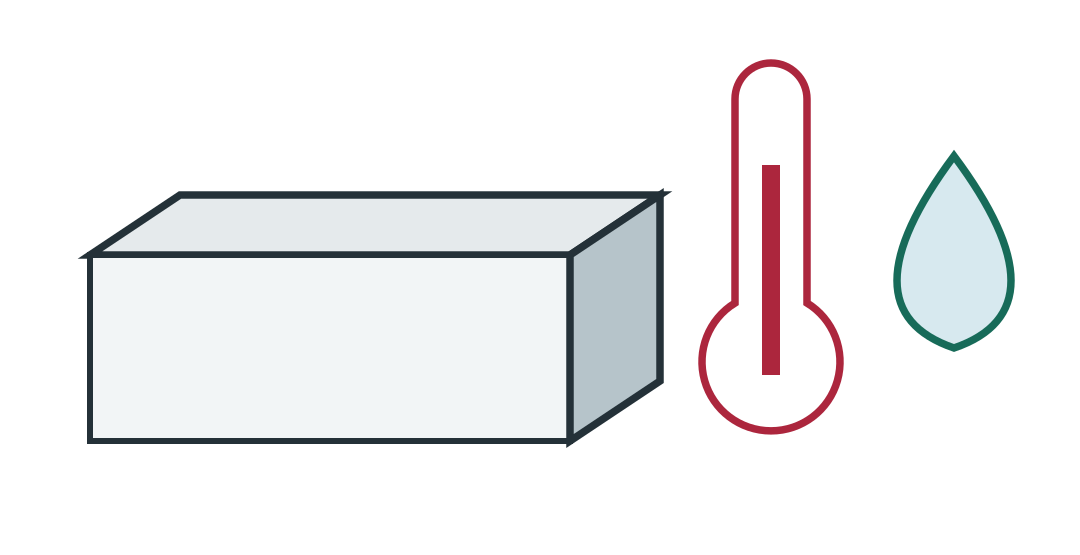
Uneven temperature can bend a part; temperature changes also affect size. Some polymers respond to moisture and time.
Define temperature and conditioning for acceptance; compare parts in the same measurement state.
Build a review point into the process
- 1
PLAN
Specify grade, temper, support areas and final acceptance condition.
- 2
ROUGH
Review balanced removal where practical and reserve finish stock.
- 3
RECHECK
Release safely; measure movement and decide whether the plan needs adjustment.
- 4
FINISH & VERIFY
Re-establish the setup, finish and inspect in the specified condition.
Heat treatment is not an automatic step. Stress relief or annealing requires a material-specific, approved process and may change properties. Digital Machine coordinates heat treatment through outside partners.
Make the comparison meaningful
- Record support, restraint and measurement method.
- Use comparable temperature and conditioning.
- Check the required surface or feature, not one indicator point.
- Keep actual readings separate from the suspected cause.
A single indicator reading is not a full flatness assessment. Agree coverage, fixturing and acceptance before judging the result.