Engineering snapshot · Nº 01
Milling vs Turning
Two ways to make chips. What each one is for, and what we run it on.
 Digital MachineQuick-Turn CNC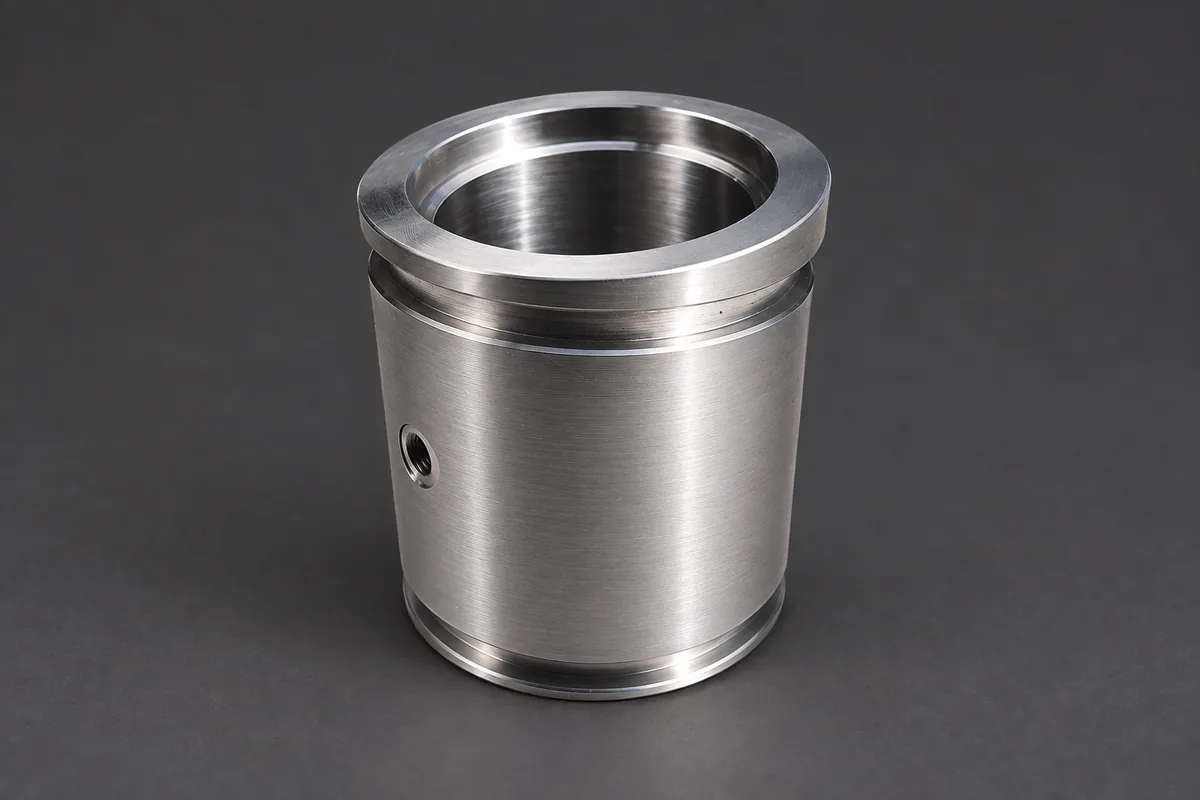
Workpiece rotatesSingle-point tool feeds
Turning
Lathe: the part spins
- Cylindrical geometry: shafts, bushings, fittings, threads
- Bar-fed jobs can run unattended, which keeps per-part cost down at volume
- In our shop: CNC lathes, multi-axis mill-turn centers (bar to Ø3.2″) and Swiss-type lathes (bar 3–32 mm)
- Live tooling adds milled flats and cross-holes in the same setup
Best-case tol.
0.0002″
Finish
16–63 µin Ra
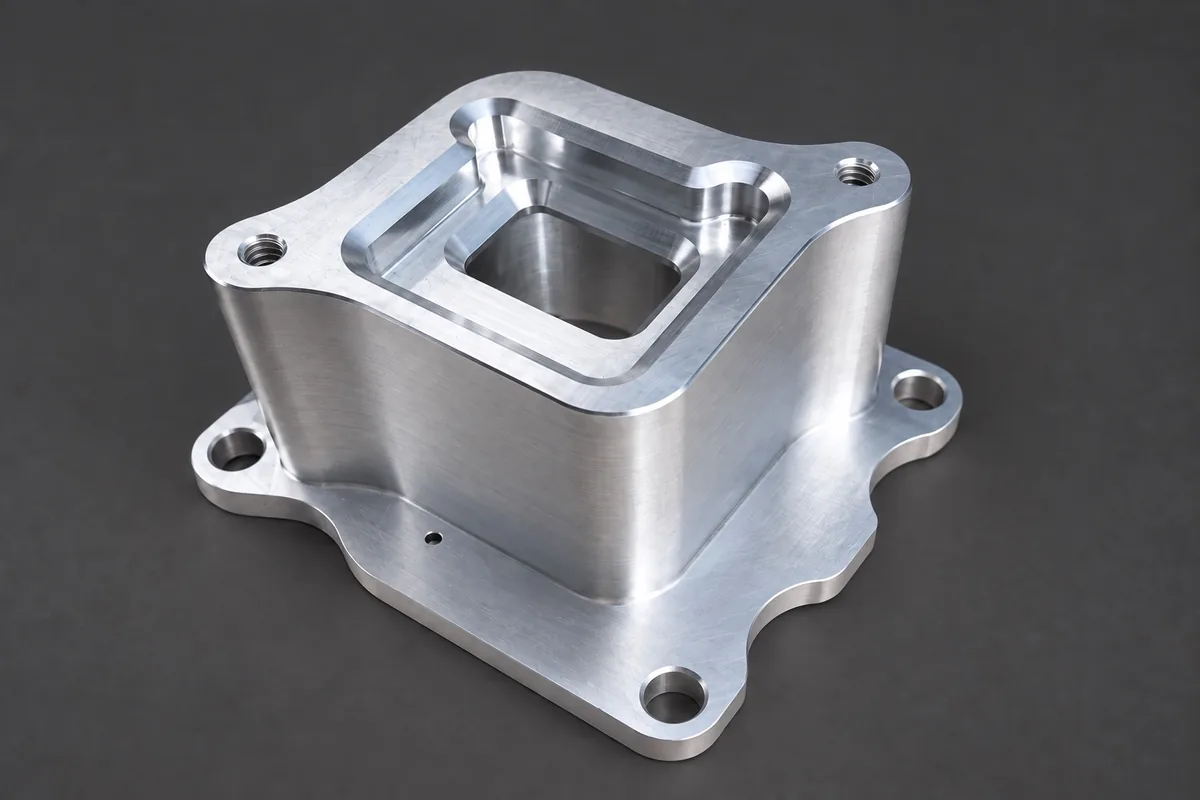
Cutter rotatesWorkpiece feeds
Milling
Machining center: the tool spins
- Prismatic and 3D geometry: housings, brackets, contoured surfaces
- Multi-point cutter: flats, slots, pockets, true 3D
- In our shop: 3-, 4- and 5-axis machining centers, with travels to 64″ × 32″ × 30″
- 5-axis holds the part once, which cuts tolerance stack-up between setups
Best-case tol.
0.0002″
Finish
16–125 µin Ra
The math
we run
RPM = 12·SFM / (π·D)
Both processes: surface speed sets spindle speed
IPM = RPM·n·IPT
Milling feed: n flutes × chip load
IPM = RPM·IPR
Turning feed: inches per revolution
| Feature | Turning | Milling |
|---|---|---|
| Main motion | Workpiece rotates | Cutter rotates |
| Cutting tool | Single-point | Multi-point (flutes) |
| Natural shapes | Cylindrical: Ø features | Prismatic and contoured |
| In our shop | CNC lathes · mill-turn · Swiss | 3-, 4- and 5-axis machining centers |
| Best-case tolerance | 0.0002″ (0.0001″ Swiss) | 0.0002″ |
Rule of thumb: if the critical feature is a diameter, turn it. If it's a face, pocket or contour, mill it. Round part with milled features? Our mill-turn centers do both in one chucking.
Best-case figures from our process reference, not a promise for every feature: geometry, material and the measurement plan decide what a part holds.